bpc-157 nitric oxide pathway Heal or Harm: Body Protective Compound-157 in the Gray Zone BPC-157 in sports medicine: regenerative
Description
162 No studies have directly compared different lidocaine concentrations
credit: Sven Bordewick, Leibniz University Hannover In a recent study in Catalysts lead by Ersoy, researchers treated wheat, barley, and rye flour samples with a proline-cleaving enzyme they discovered in the Flammulina velutipes fungus (12,13)
Does Medicare Cover Jakafi

In experiments on various animal species (mostly rats), its healing properties have been shown to extend to various other tissue types, including muscles, tendons, and ligaments

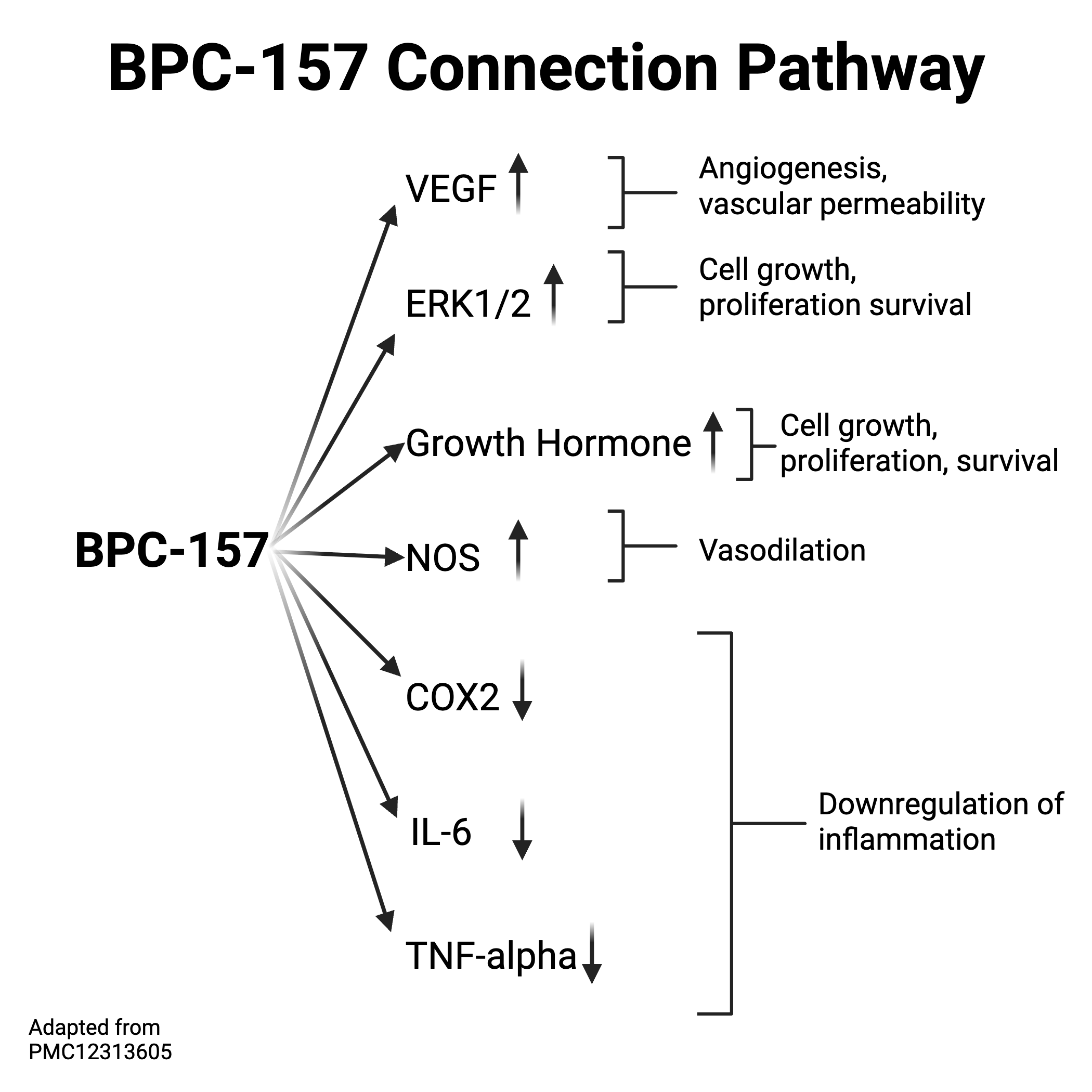
KPV: Best for inflammatory pain and conditions Why KPV is superior for inflammation: Extremely potent anti-inflammatory peptide Reduces IL-6, TNF-alpha, other inflammatory markers Modulates immune response Works systemically Best for: Rheumatoid arthritis Autoimmune-related pain Inflammatory bowel disease with pain Chronic systemic inflammation Widespread pain from inflammation Dosing: Injectable: 500-1,000mcg daily subcutaneous Oral: 1-2mg daily for gut-specific inflammation 8-12 weeks minimum Can use long-term Expected results: Week 2-4: Reduced inflammatory markers Week 4-8: Decreased pain levels Week 8-12: Significant inflammation control Comparison to NSAIDs: KPV: Reduces inflammation without stomach damage NSAIDs: Temporary relief, stomach/kidney risks KPV safer long-term BPC-157 for inflammation + tissue healing Why BPC-157 for inflammatory pain: Anti-inflammatory effects Also heals tissue causing inflammation Dual benefit Best for: Inflammatory pain with tissue damage IBD/Crohn's (gut inflammation) General inflammatory conditions Can combine KPV + BPC-157: KPV: Powerful inflammation reduction BPC-157: Tissue healing Together = comprehensive inflammatory pain relief Best peptide for chronic widespread pain Fibromyalgia, chronic pain syndrome, multi-site pain


