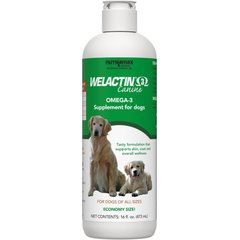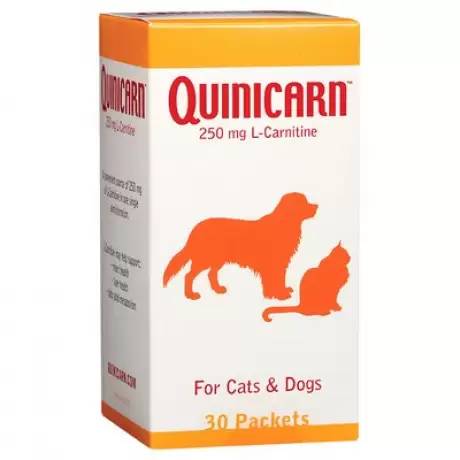
can dogs take l carnitine Quinicarn for and Cats - L-Carnitine Liver Function Support L-Carnitine for Dogs & Cats:
Description
In the traditional metabolic pathway, arsenic undergoes two methylation reactions, each followed by a reduction, after which it is exported and released in the urine

In antioxidant assays, BER.QDS demonstrated the strongest DPPH scavenging (IC=3.95 g/mL), while ASC.QDS exhibited the highest ABTS+ scavenging (57.88% at 80 g/mL)
Ingredients (INCI): Aqua, CI 77891 (Titanium Dioxide), Stearic Acid, Petrolatum, Mineral Oil, Sorbitol, Dimethicone, Talc, Cetyl Alcohol, PEG-100 Stearate, Glyceryl Stearate, Ethylhexyl Methoxycinnamate, Phenoxyethanol, Gluconolactone, Triethanolamine, Imidazolidinyl Urea, Parfum, Methylparaben, Glycerin, Papain, Alcohol, Butylene Glycol, Polyacrylate-13, Polyisobutene, Polysorbate 20, Propylparaben, CI 15985, Glutathione, Acetyl Tyrosine, Sodium Sulfite, Arbutin, Scutellaria Baicalensis (Mulbery) Root Extract, Paeonia Suffruticosa Root Extract, Saxifraga Sarmentosa Extract, Aminopropyl Ascorbyl Phosphate, Vitis Vinifera (Grape) Seed Extract, Kojic Acid, PEG-40 Hydrogenated Castor Oil, Sodium Ascorbyl Phosphate, Tocopheryl Acelate, Linoleic Acid, CI 19140 (Yellow 5), Tocopherol
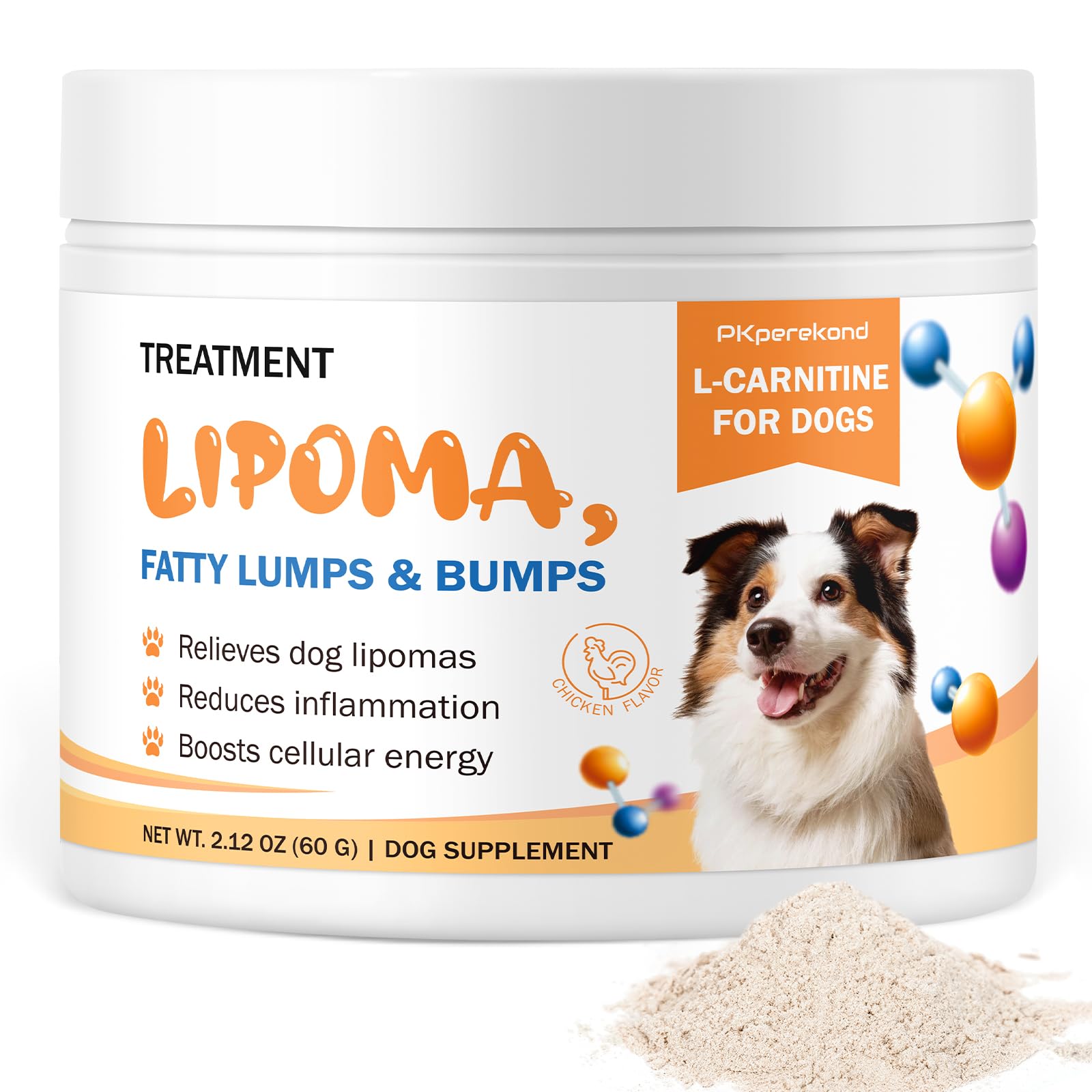
Key Benefits: Boosts Energy Levels Naturally: L-Carnitine taps into your bodys fat reserves, turning them into fuel for sustained energy during workouts