FREE SHIPPING ON ORDERS OVER $150

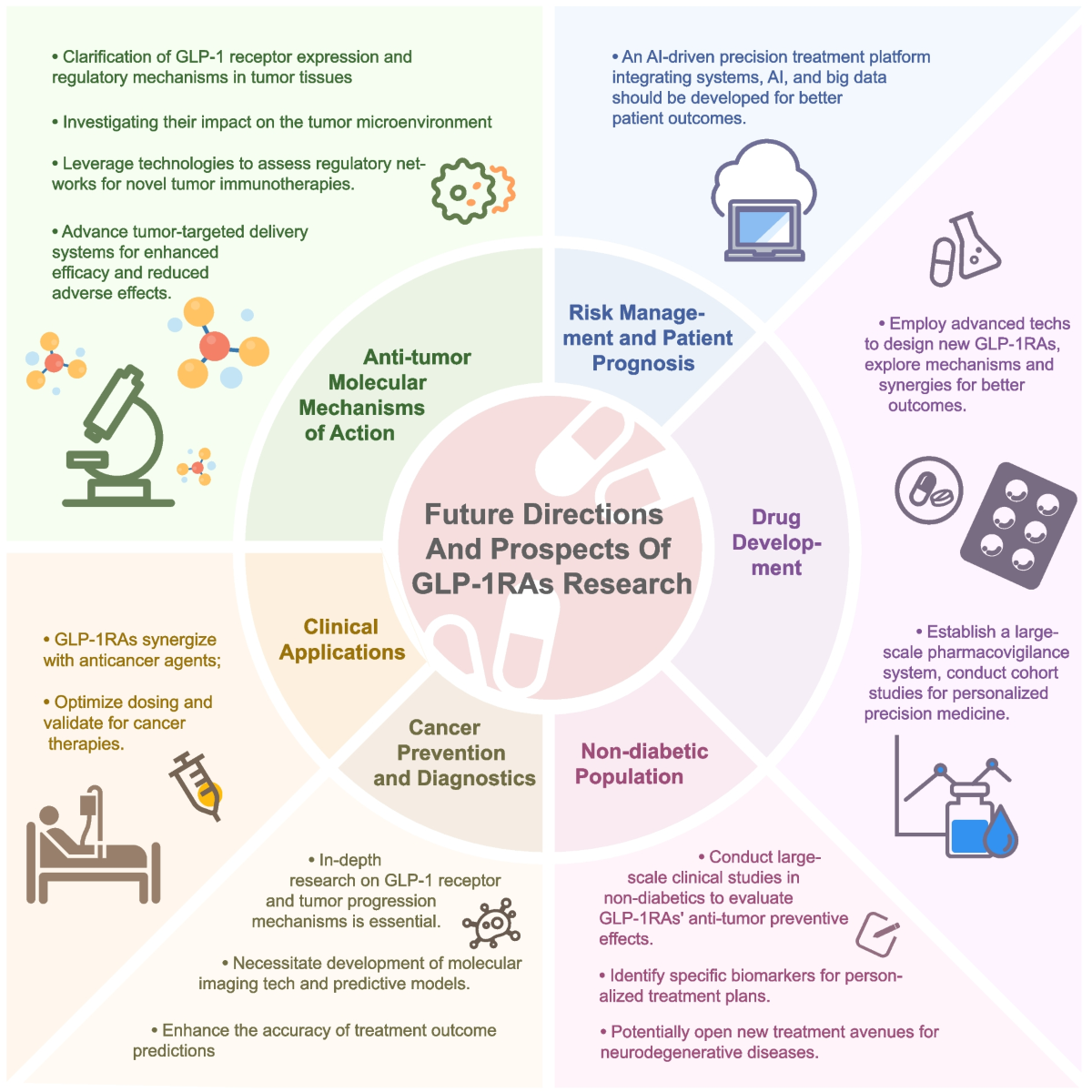
glp-1 and breast cancer risk Glucagon-like peptide 1 receptor agonists and cancer risk: advancing precision medicine through mechanistic understanding and clinical evidence ๐ŸŽ—๏ธ Women taking GLP-1 medicines

$22.38

Quantity
- +
Description

Byetta and other early GLP-1 agonists immediately acted and required a once or twice-a-day dosage

glp-1 and breast cancer risk Glucagon-like peptide 1 receptor agonists and cancer risk: advancing precision medicine through mechanistic understanding and clinical evidence  Women taking GLP-1 medicines

Pasireotide could drastically suppress GLP-1 secretion induced by Gs-cAMP signals through SSTR5-Gi-dependent inhibition of cAMP levels, effectively blocking the main pathways
glp-1 and breast cancer risk Glucagon-like peptide 1 receptor agonists and cancer risk: advancing precision medicine through mechanistic understanding and clinical evidence  Women taking GLP-1 medicines

Trends in GLP-1 use From 2015 to 2024, GLP-1 uptake after an index event in patients with diabetes increased modestly but remained low

glp-1 and breast cancer risk Glucagon-like peptide 1 receptor agonists and cancer risk: advancing precision medicine through mechanistic understanding and clinical evidence  Women taking GLP-1 medicines

Despite extensive research, significant gaps remain in the causal pathways linking depression and diabetes

glp-1 and breast cancer risk Glucagon-like peptide 1 receptor agonists and cancer risk: advancing precision medicine through mechanistic understanding and clinical evidence  Women taking GLP-1 medicines

Type 1 diabetes is caused by a lack of insulin due to destruction of the beta cells, which prevents glucose uptake from the blood

glp-1 and breast cancer risk Glucagon-like peptide 1 receptor agonists and cancer risk: advancing precision medicine through mechanistic understanding and clinical evidence  Women taking GLP-1 medicines

You may also like

recommand products