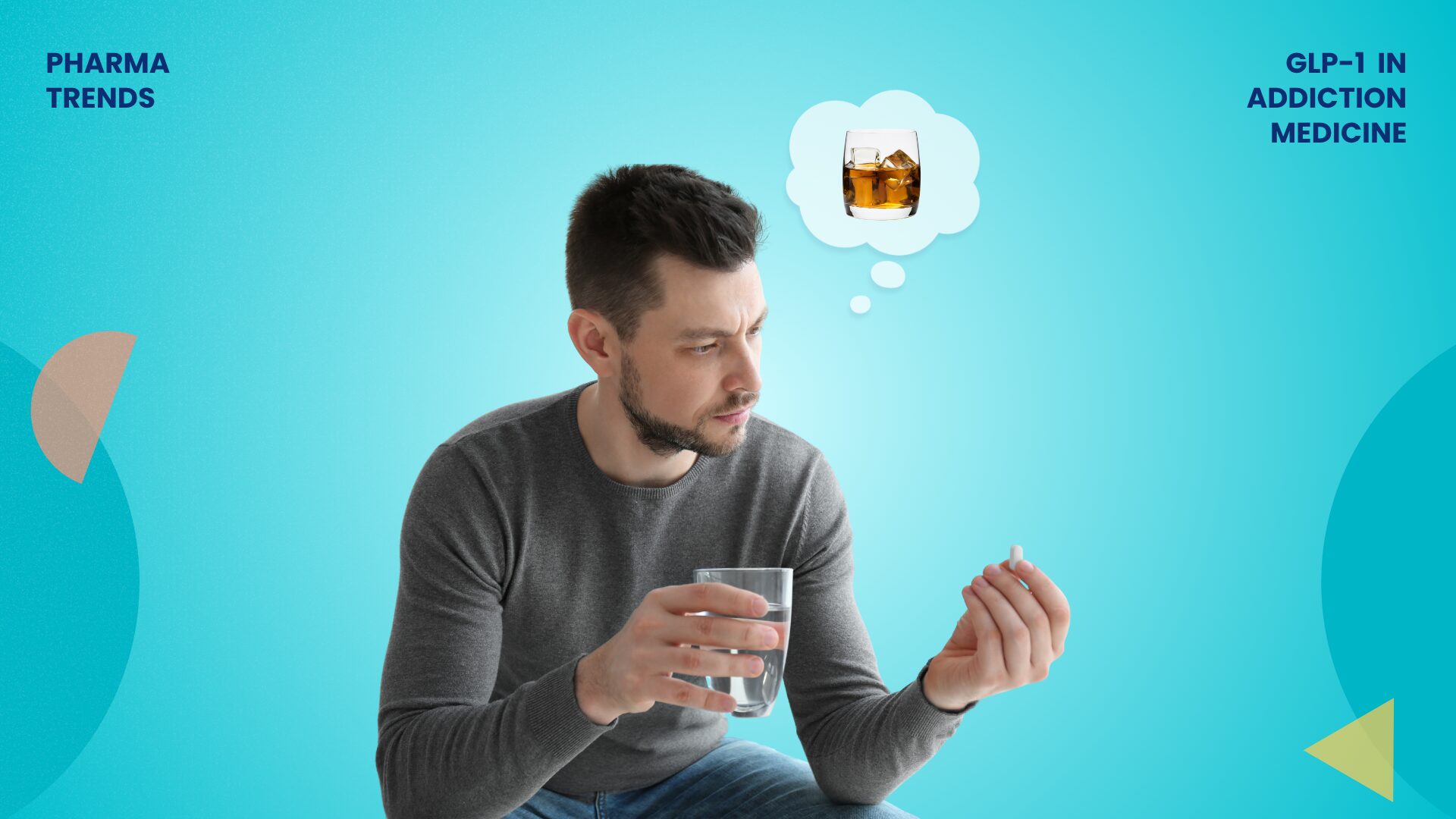
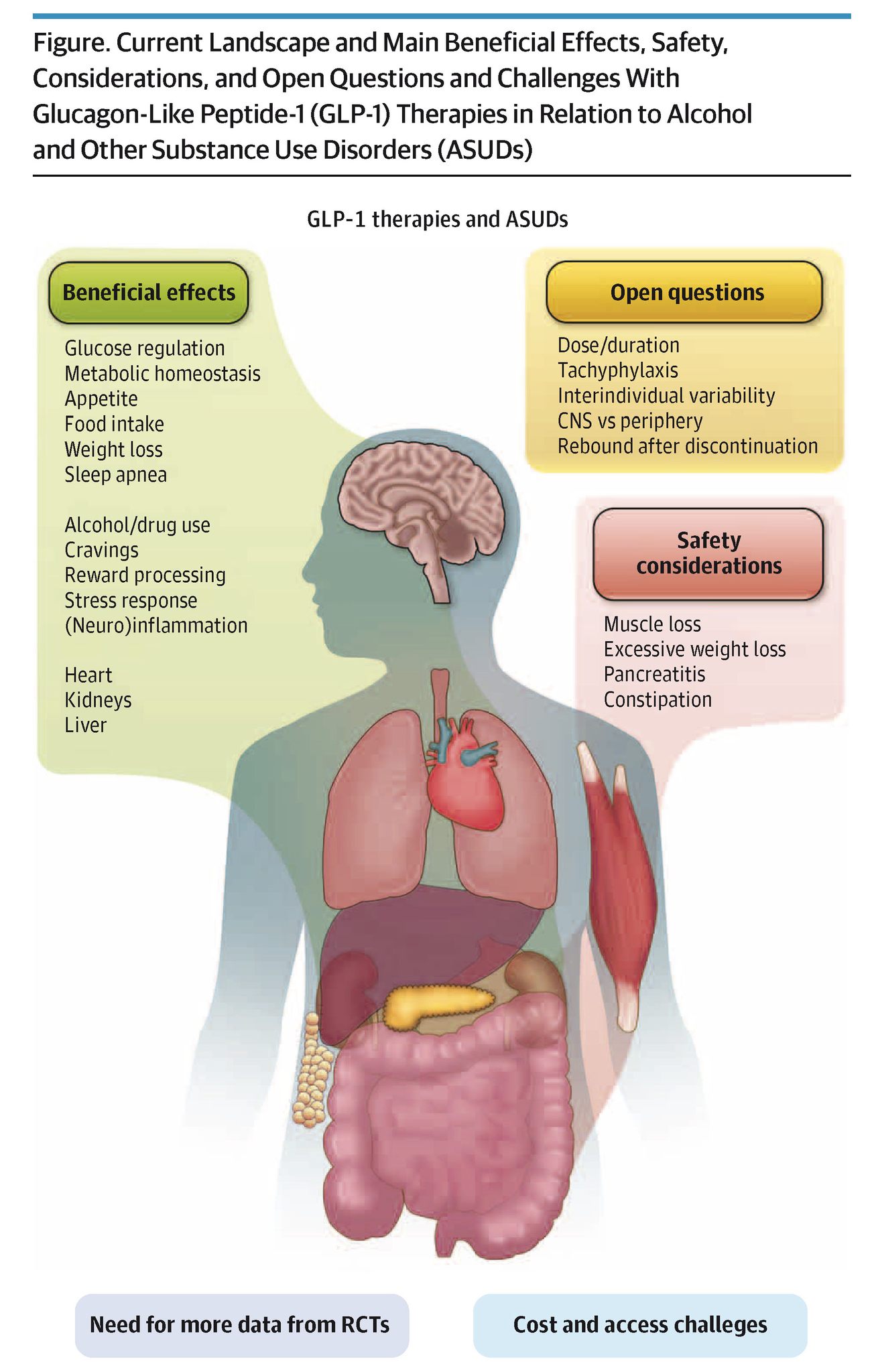
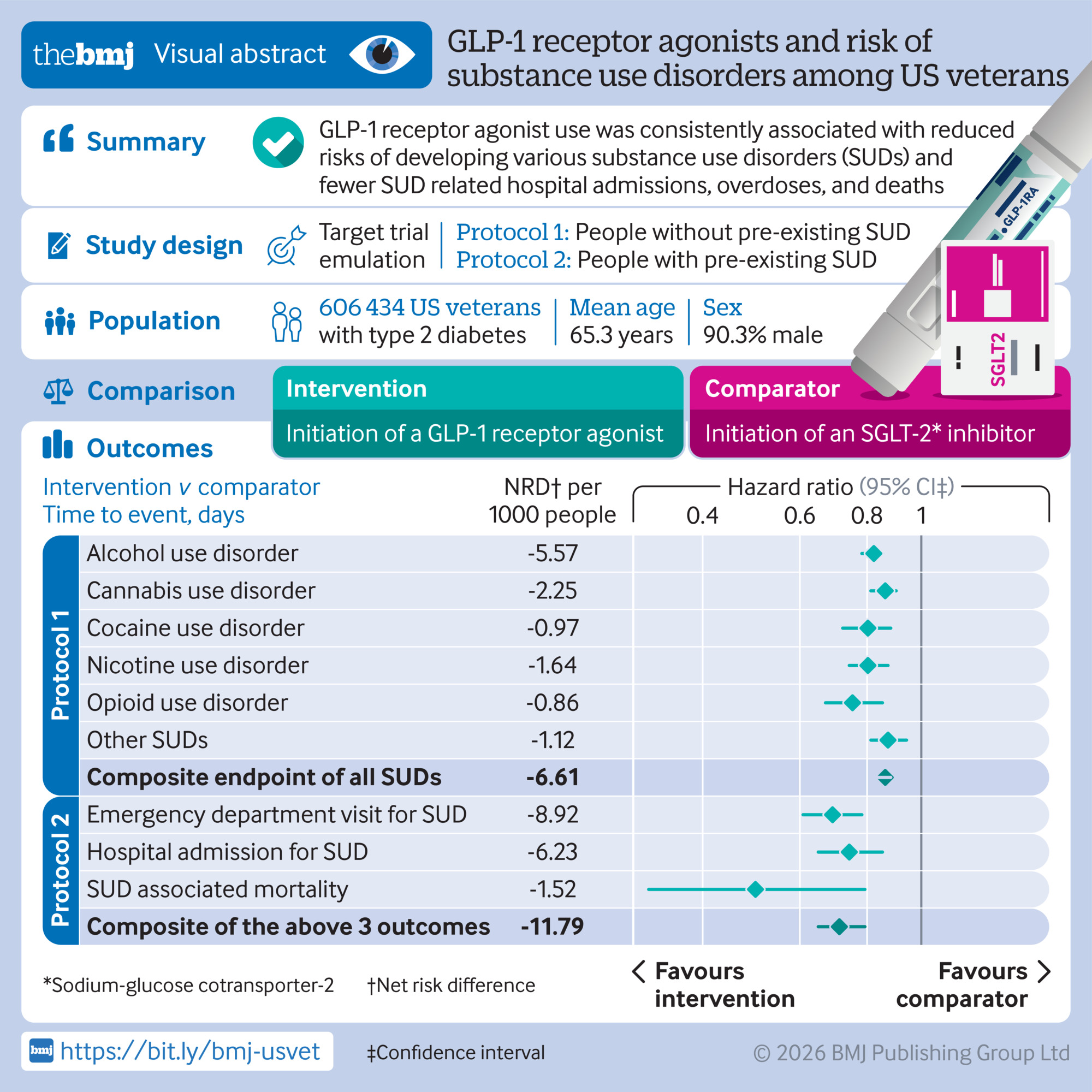
glp 1 for substance use disorder How GLP-1 Can Help in Treating Addiction Disorders? GLP1 receptor agonists are supported
Description
Currently, migraine is treated through medications and lifestyle changes to help stop migraine triggers from occurring, such as stress, poor sleep, certain foods, and environmental factors like strong smells, loud noises, or bright light
Source: eClinicalMedicine (The Lancet), 2025 53 T1D participants
That includes both: the GLP-1 your body naturally produces and the medications we now use clinically So menopause may not only reduce estrogenit may also reduce the brains responsiveness to satiety itself

This may be true if: Weight loss is still progressing Metabolic markers are still improving Hormonal imbalances remain untreated Life stress is unusually high Sleep is severely disrupted There is no timeline you must follow
GLP-1 side effects include gastrointestinal complications, such as nausea, vomiting, diarrhea, constipation, and diverticulitis


