
glp-1 and gallbladder receptor agonists disease risk: insights into molecular mechanisms and clinical implications Gallbladder Pain on GLP-1s: Symptoms
Description
A minimal model was used for analyses in which there were insufficient numbers of eligible patients to allow use of the full model (see Exploratory Analyses: Impact of Baseline BMI, Demaglutide Dose, Previous Treatment, Sex and Age)
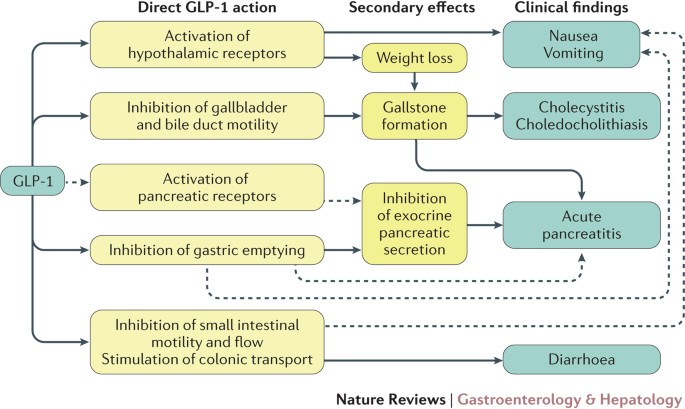
GLP-1's main role is to regulate blood sugar (glucose) levels by promoting insulin and suppressing glucagon secretions
The 6-minute walk test from baseline improved over 20 meters in the treatment group but only 1 meter in the placebo group
report that MariTide, a GIPR antagonizing antibody conjugated on each heavy chain to a GLP-1R agonizing peptide, makes significant gains on peptide-based antagonists due to its high potency at both receptors and suitability for once-monthly administration in humans [5]

Secondary outcomes were a composite of a new diagnosis of cirrhosis complications, including decompensated cirrhosis (ascites, hepatic encephalopathy, variceal bleeding, portal hypertension, or hepatorenal syndrome), HCC, or receipt of liver transplant 9


